
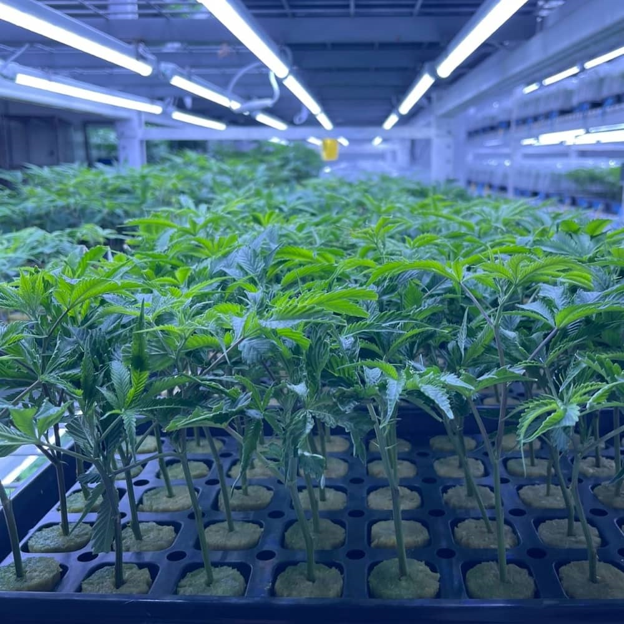
Hydroponic cannabis cultivation is a masterclass in precision. Unlike soil growing, where organic matter buffers mistakes and slow-release nutrients cushion feeding errors, hydroponic systems deliver exactly what you mix with little buffering. That means nutrients for hydroponic cannabis systems are the single most important variable outside of genetics and light. Get them right, and your plants develop quickly. Get them wrong, and you’ll spend weeks unwinding deficiencies or lockouts that could have been avoided. A program of weed hydroponics nutrients works best when the grower understands the water source, mixing order, and measurement routine.
Begin with the Water Source: Additional Considerations
A nutrient plan starts with the water. Tap water may contain alkalinity and dissolved minerals, while filtered water may contain very little. Recording the starting pH and conductivity provides context for every later reading. When the source changes seasonally or between locations, the same label rate may produce a different final solution. Consistency is easier when the grower understands what is already present before adding a base formula.
Choose a Complete Base Program
The first principle of hydroponic feeding is understanding that cannabis is a fast, hungry plant with distinct needs at each stage. Vegetative growth demands nitrogen-heavy feeding to build leaves, stems, and root structure. Flowering shifts the demand hard toward phosphorus and potassium to drive bud development, resin production, and terpene synthesis. Trying to run one universal blend across the entire cycle produces mediocre results in both phases, a problem separate grow and bloom formulations solve directly.
Understand Concentration Readings
Choosing the right hydroponic cannabis nutrient line starts with picking a cannabis-tuned base line. General hydroponic products designed for tomatoes or lettuce may grow cannabis, but they won’t optimize it. Cannabis has unusually high demand for calcium, magnesium, sulfur, and specific micronutrients like iron and manganese in bioavailable forms. Purpose-built cannabis lines account for these needs. Popular options include General Hydroponics Flora Series, Advanced Nutrients, House & Garden, and Athena, all with proven track records at every scale of cultivation. Selecting hydroponic weed nutrients should begin with a complete base formula rather than a long list of optional additives.
Maintain Temperature and Oxygen
Roots need oxygen as well as dissolved minerals. Warm, poorly aerated solution can reduce root performance and encourage unwanted biological activity. Pumps, air stones, and circulation equipment should be checked routinely, while electrical connections remain protected from water. Stable reservoir conditions are often more important than adding another supplement.
Manage Root-Zone pH
Water quality is the foundation everything else sits on. Tap water contains chlorine, chloramines, and dissolved minerals that vary widely by region and season. Many growers switch to reverse osmosis water for consistency, but RO strips out useful minerals along with harmful ones, which is why supplementing with Cal-Mag becomes essential when using RO. Test your source water for TDS before mixing anything, and adjust your feed schedule based on what’s already in the water rather than assuming a clean slate.
Mix Components Carefully
pH management is inseparable from nutrients for hydroponic cannabis systems themselves. Cannabis roots absorb nutrients efficiently in a specific pH range of 5.5 to 6.2 in hydroponic systems. Outside that window, even a perfectly mixed feed becomes partially or wholly unavailable, producing deficiency symptoms that look like nutrient shortages but actually stem from pH lockout. Invest in a quality pH meter, calibrate it weekly with fresh calibration solution, and check your reservoir daily.
Introduce Supplements Slowly
Boosters, enzymes, microbial products, and flowering additives may have a place in some systems, but each addition creates another variable. Beginners should first learn how plants respond to a complete base program. Introducing one optional product at a time, with clear records, makes it possible to identify whether the change helped, made no difference, or created a problem.
Maintain Temperature and Oxygen: Additional Considerations
EC (electrical conductivity) tells you how concentrated your feed is, and it should track your plants’ stage-appropriate demand. Young clones want low EC around 0.8 to 1.2. Mature vegetative plants push into the 1.6 to 2.0 range. Peak flower can go 2.2 to 2.4 or higher for heavy feeders, but strain matters; some cultivars are notorious light feeders and lock out at concentrations others thrive in. Watch your plants, log your readings, and adjust based on response rather than dogma.
Keep the System Clean
Additives extend what base a hydroponic cannabis nutrient line provides. Bloom boosters heavy in P and K accelerate flower development during weeks 3 through 5. Silicon strengthens cell walls and improves pest resistance. Amino acid and enzyme products support root health and nutrient uptake. But restraint matters; stacking every additive at once creates unpredictable interactions and often causes more problems than it solves. Add one variable at a time so you can identify what actually helps your specific setup, strain, and water profile before committing to permanent changes.
Build a Recordkeeping Routine
A useful log can include the date, plant stage, water source, reservoir volume, nutrient amounts, pH, conductivity, temperature, root appearance, and visible plant condition. Records reveal trends that a single measurement cannot. They also make supplier or professional advice more useful because the grower can describe what changed rather than offering only a photograph of a symptom.
Use a Written Checklist
A short written checklist keeps the decision process consistent. It can include legal verification, product stage, expected size, source information, transport timing, arrival photographs, environmental preparation, and the seller’s reporting policy. Written answers are easier to compare than memory, especially when several suppliers or products are being considered. The same checklist can be reused during receiving so that important details are not missed when the plant arrives.
Final Thoughts
A dependable hydroponic nutrient routine is complete, measurable, and simple enough to reproduce. Water quality, pH, concentration, oxygen, temperature, sanitation, plant stage, and records should be considered together. The most expensive or complicated program is not automatically the best one. Conservative adjustments and clear observation create a stronger foundation than repeated corrective products.